


As a founder of a medical intelligence company, I’ve seen firsthand that commercializing healthcare AI is not about hype or sudden breakthroughs. It’s about understanding how all the pieces fit together in a way that is trusted, secure, and useful in the real world.
In healthcare, technology needs time
The personal computer. The internet. Mobile phones. Each of these felt revolutionary when they became mainstream, but none of them arrived overnight. They were built over years, sometimes decades, on layers of technology that slowly earned trust and adoption.
Healthcare works the same way, only more so.
People’s health is not an app update. It involves privacy, safety, regulation, and clinical responsibility. So while AI may move quickly in some industries, it is right that healthcare moves more carefully.
That doesn’t mean nothing is happening. It means progress looks different.
Not all AI in healthcare is the same
It’s worth looking past the headlines, because “AI in healthcare” covers a wide range of very different uses.
In practice, AI is already being used to:
- Help radiologists read X-rays and scans more accurately
- Reduce administrative burden by acting as a clinical scribe
- Support screening tools that look for early signs of disease
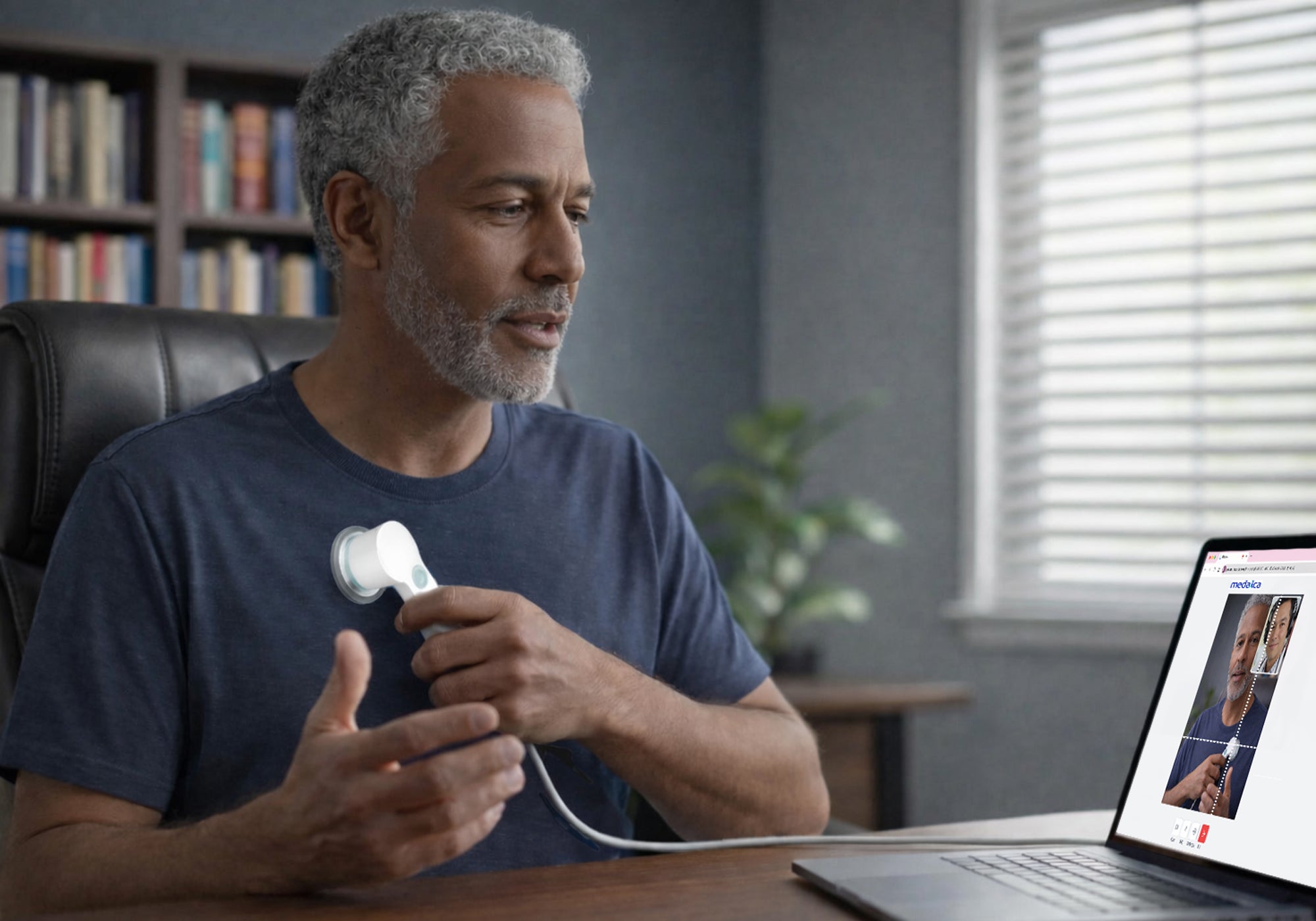
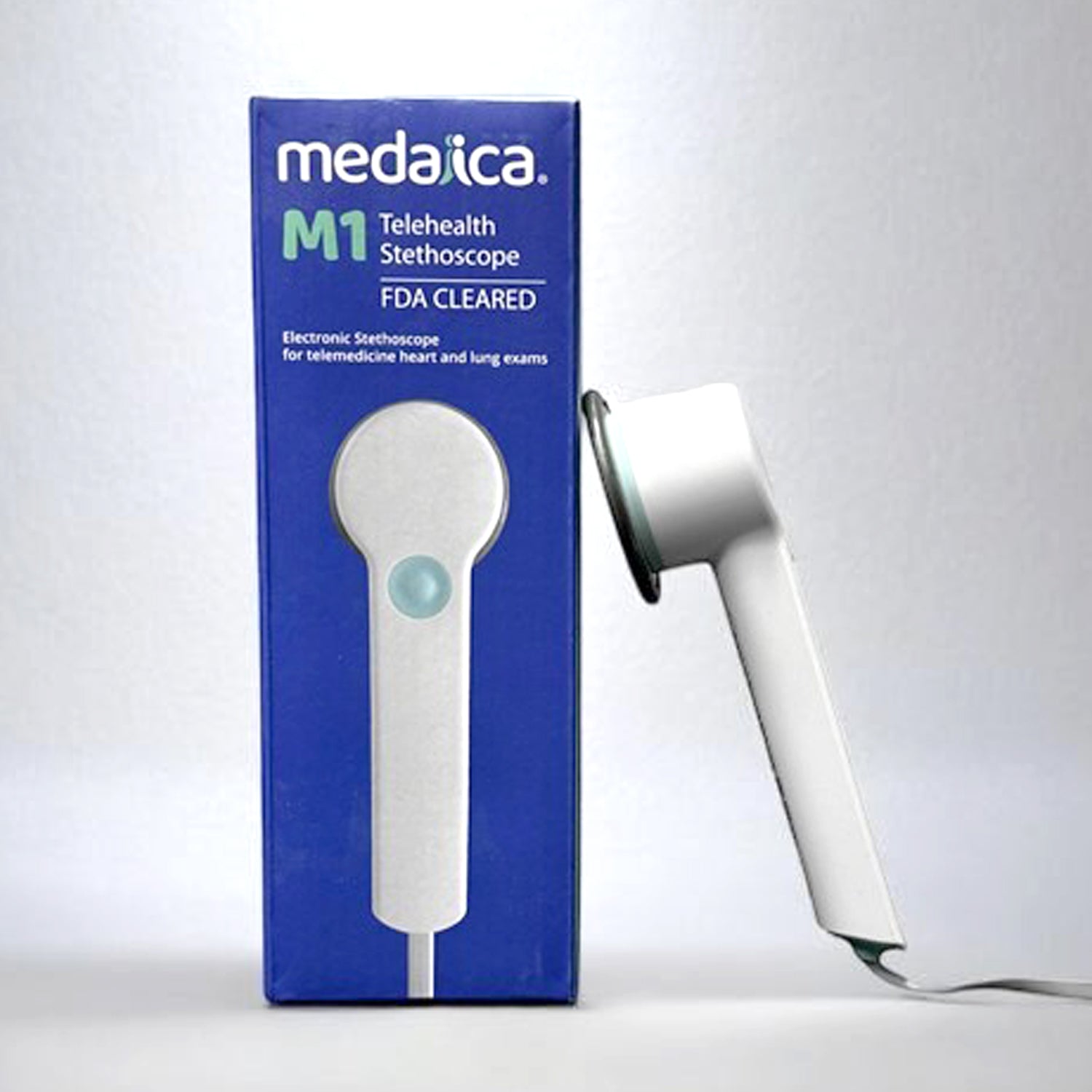
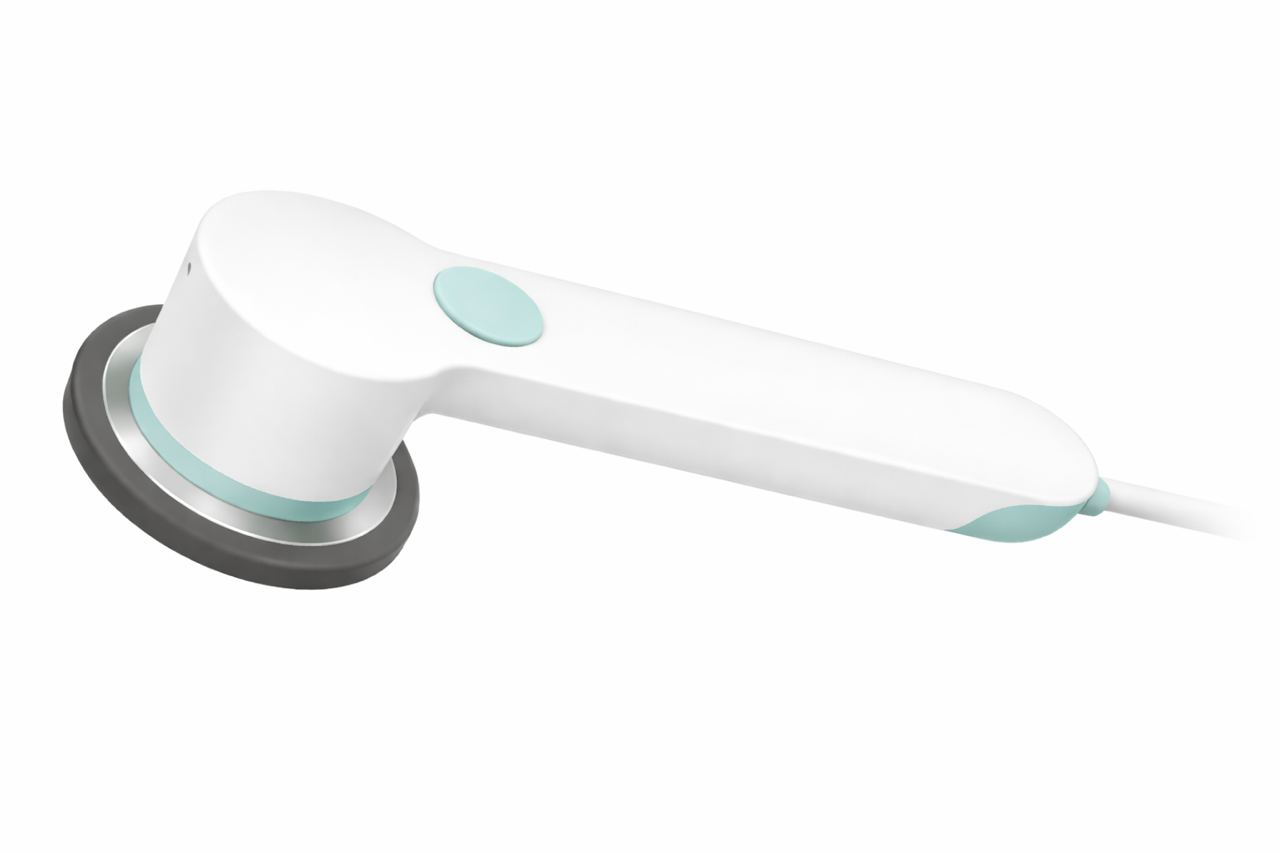
In Medaica’s case, AI is used to help screen for early heart abnormalities by analyzing patterns in data that are difficult to assess consistently at scale.
This is not science fiction
These are practical tools designed to help patients be proactive in their health and support doctors not replace them. What’s coming is an improvement in how care is delivered.
AI support tools will help doctors:
- See patterns in your health that they might have missed before
- Reducing the chance that developing problems are missed and
- Spending more time on patient care and decision-making
Tools like these lead to better outcomes and more efficient healthcare systems over time.
Looking past the hype
AI in healthcare is real. It is already being used. Sometimes driven by patients, sometimes by doctors. But progress in healthcare will always be about trust and AI is no different.