I’ve been re-reading Dr. Eric Topol’s best-selling books on the future of healthcare, because in many ways, things have not changed as much as we expected.
More than a decade ago, Dr. Topol predicted that mobile phones and websites would become embedded in daily life. That part was right. He also predicted that those tools would make healthcare more accessible and affordable for everyone. That part has taken much longer, but it is finally starting to arrive.
Not all at once. Not everywhere. But in real, practical ways.
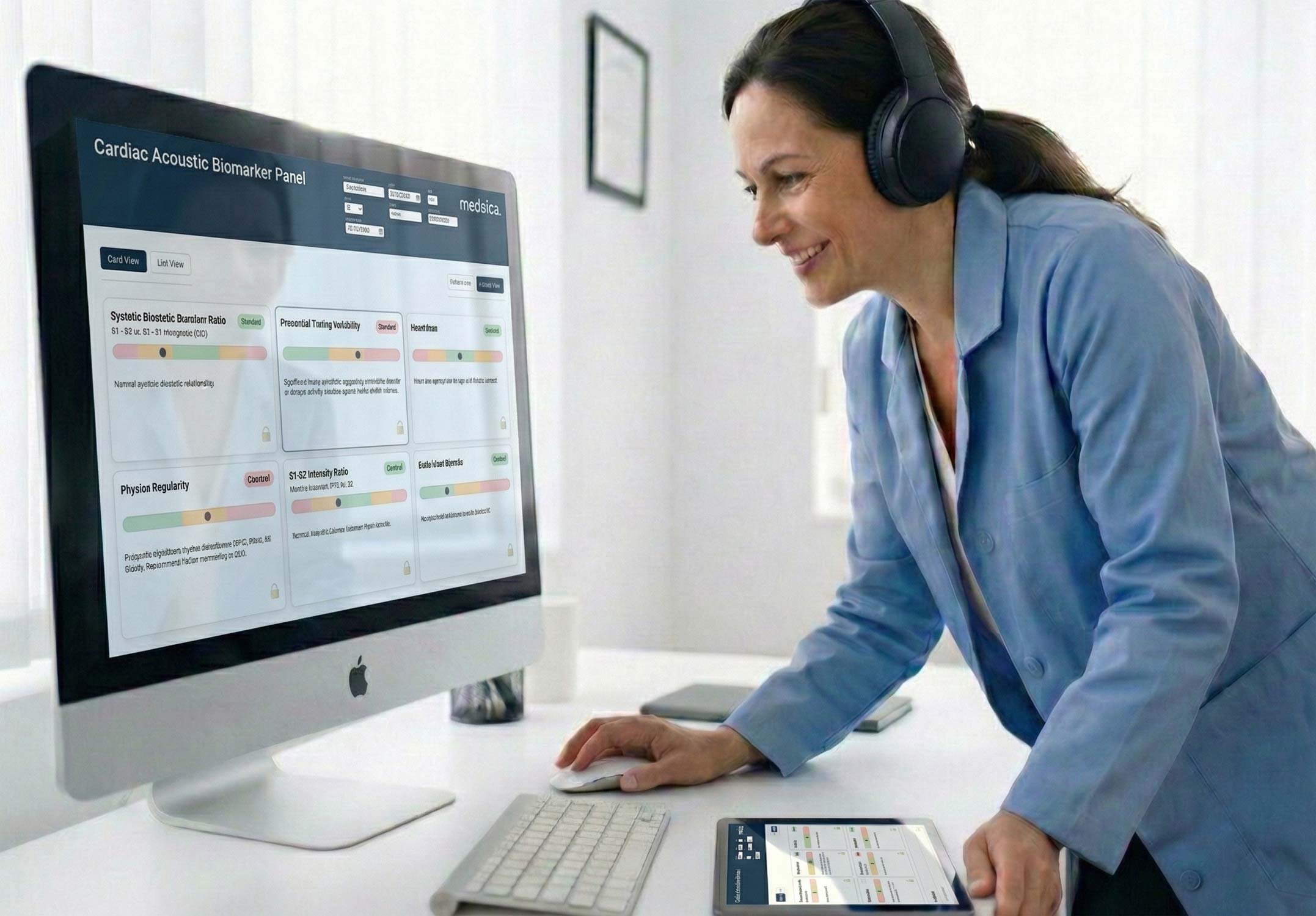
Today, we can use tools that simply did not exist ten years ago. Some did not even exist a year ago. An Apple Watch can flag irregular heart rhythms. Devices like Kardia allow people to record an ECG at home and share it with a clinician. And with tools like Medaica, people can now complete a guided heart exam from home, without waiting months for an appointment just to get started.
Each of these tools does something different. None of them replaces doctors. But together, they represent a shift. For the first time, people can access meaningful health information earlier, on their own terms, and often before symptoms appear.
This kind of access is not yet universal, and it is not yet seamless. But it is real.
Increasingly, people can take a more active role in understanding their own health and bring better information into conversations with their doctor when it matters.
The future Dr. Topol described is no longer theoretical. It is arriving through everyday tools that put more insight into people’s hands and reduce the need to wait until something goes wrong.