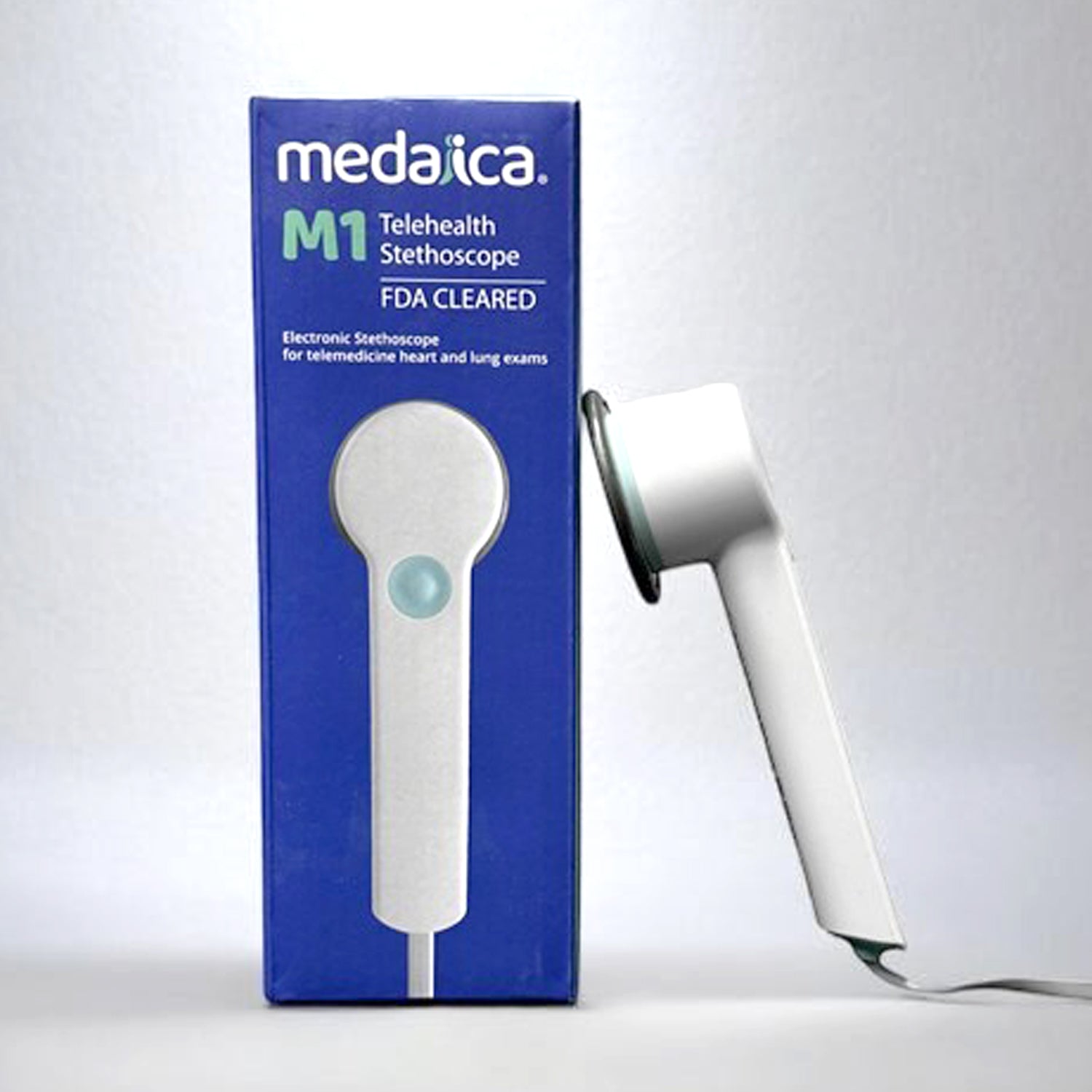


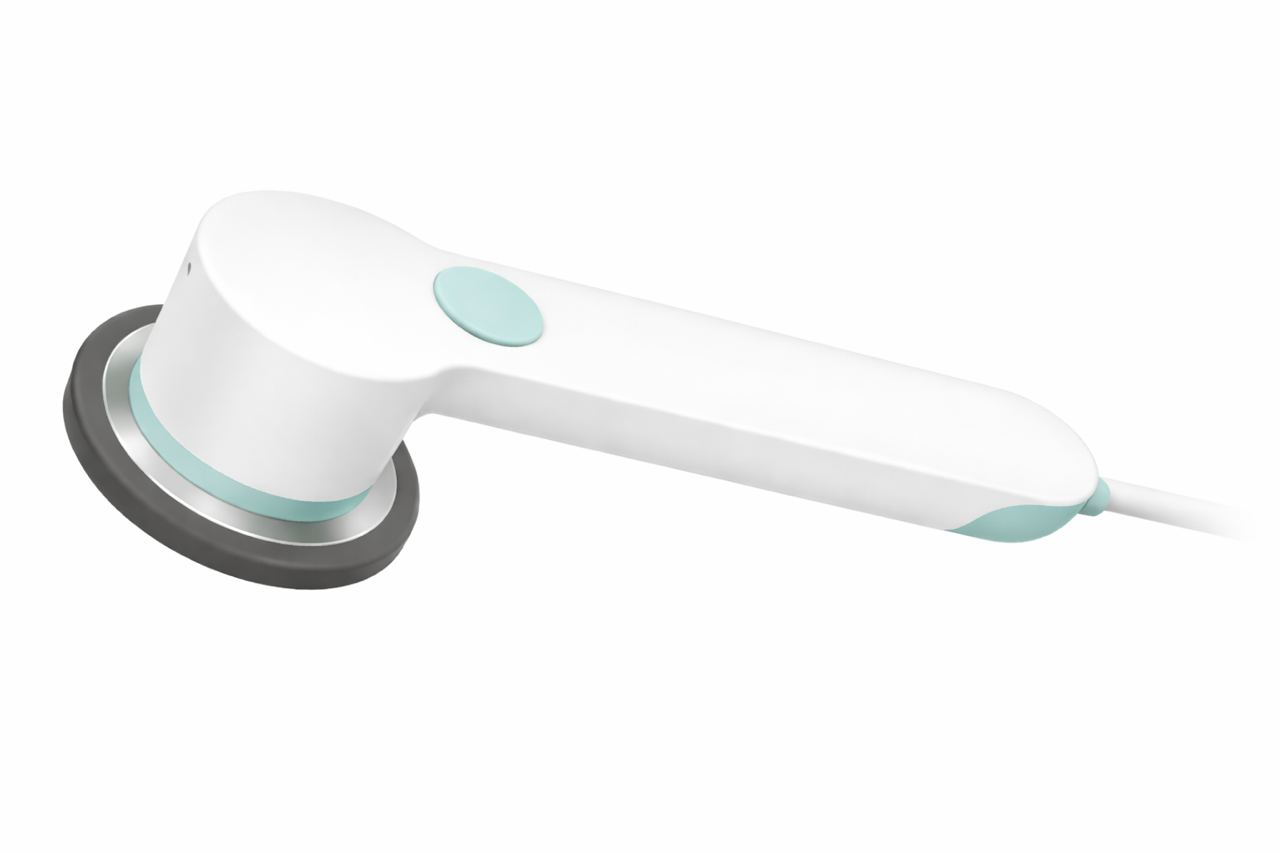

A Heart Check is a way to look at how your heart is functioning before symptoms appear, using modern tools that can be done from home or in routine care settings.
It is not an emergency test.
It is not a diagnosis on its own.
And it does not replace your doctor.
Instead, a Heart Check is designed to answer a simpler question: Does anything look or sound different enough that it deserves a closer look?
What a Heart Check looks for
A Heart Check focuses on early indicators such as:
- Heart sounds and timing
- How valves open and close
- Patterns that may suggest early structural or functional changes
These are the kinds of changes that often develop slowly and quietly, long before someone feels unwell.
Why a Heart Check matters
Most heart disease does not start suddenly. It develops over time and often without clear symptoms. This is why early awareness is important, even when people feel fine, as noted by the American Heart Association in its prevention guidance.
A Heart Check helps fill this gap by providing:
- Earlier insight
- A baseline to compare against in the future
- Information you can share with your doctor if follow-up is needed
What happens after a Heart Check
Depending on the results, next steps may include:
- No action other than reassurance
- Monitoring over time
- Referral for further testing, such as imaging or a specialist review
The value of a Heart Check is not in predicting events, but in reducing uncertainty and delay.