


How to Check Your Heart at Home
Introduction
More people than ever are taking an active role in monitoring their heart health from home. Blood pressure monitors and at-home ECG devices have made it easier to track important cardiovascular information without visiting a doctor's office.
But these tools only tell part of the story.
Today, advances in digital stethoscope technology are making it possible to record heart sounds from home, providing additional information about the mechanical and structural function of the heart. The Medaica At Home Heart Exam was designed to bring this important layer of heart health information into a guided telehealth experience.
Why Monitor Your Heart at Home?

Heart disease remains one of the leading health concerns for adults worldwide. While routine medical care is important, many people want greater visibility into their heart health between doctor visits.
Home monitoring can help people:
-
Stay engaged with their cardiovascular health
-
Track changes over time
-
Share information with healthcare providers
-
Gain greater awareness of their overall heart wellness
The good news is that today's technology offers several ways to gather heart-related information from home.
Understanding the Three Types of At-Home Heart Monitoring

Most at-home heart monitoring tools focus on one of three areas.
Blood Pressure Monitors
Blood pressure monitors measure the force of blood moving through your arteries.
They are commonly used to track high blood pressure and monitor cardiovascular health over time.
ECG Devices
Devices such as Kardia and other personal ECG monitors measure the electrical activity of the heart.
These devices can help identify rhythm-related changes and irregular heartbeats, including patterns associated with atrial fibrillation (AFib).
Digital Stethoscopes
Digital stethoscopes record the sounds produced as blood moves through the heart.
These recordings provide information related to the heart's mechanical and structural function, including heart sounds, heart rate (BPM), timing characteristics and rhythm patterns present within the recording.
Unlike blood pressure monitors, which measure pressure, or ECG devices, which focus primarily on electrical activity, digital stethoscopes capture information generated by the physical movement of blood through the chambers and valves of the heart.
Think of it this way:
-
Blood Pressure = Pressure
-
EKG = Electrical Activity
-
Digital Stethoscope = Mechanical and Structural Heart Information, Heart Sounds, Timing and BPM
Each provides a different piece of the puzzle.
Why Mechanical and Structural Heart Information Matters
When physicians perform a heart examination, they typically use more than one tool.
An ECG helps evaluate the electrical activity of the heart. A blood pressure monitor measures circulatory pressure. A stethoscope provides another important perspective by allowing clinicians to assess information reflected in heart sounds, heart rate, timing and blood flow through the heart.
This information has traditionally been gathered during an in-person physical examination.
In some cases, clinicians may hear findings such as heart murmurs or notice changes in timing or rhythm characteristics that prompt additional evaluation.
The value is not simply the sound itself. The value is what those sounds may reveal about how the heart is functioning mechanically and structurally.
That is why stethoscope examinations have remained a standard part of cardiovascular assessments for generations.
A New Way to Check Your Heart From Home

Until recently, heart sound evaluation was generally limited to clinics, hospitals and physician offices.
Digital stethoscope technology is changing that.
Today, heart sounds can be recorded from home and securely transmitted as part of a telehealth workflow. This allows individuals to collect additional heart information without needing immediate access to an in-person examination.
As healthcare continues to move toward home-based monitoring, the ability to record heart sounds represents an important advancement in personal heart health awareness.
The Medaica At-Home Heart Exam
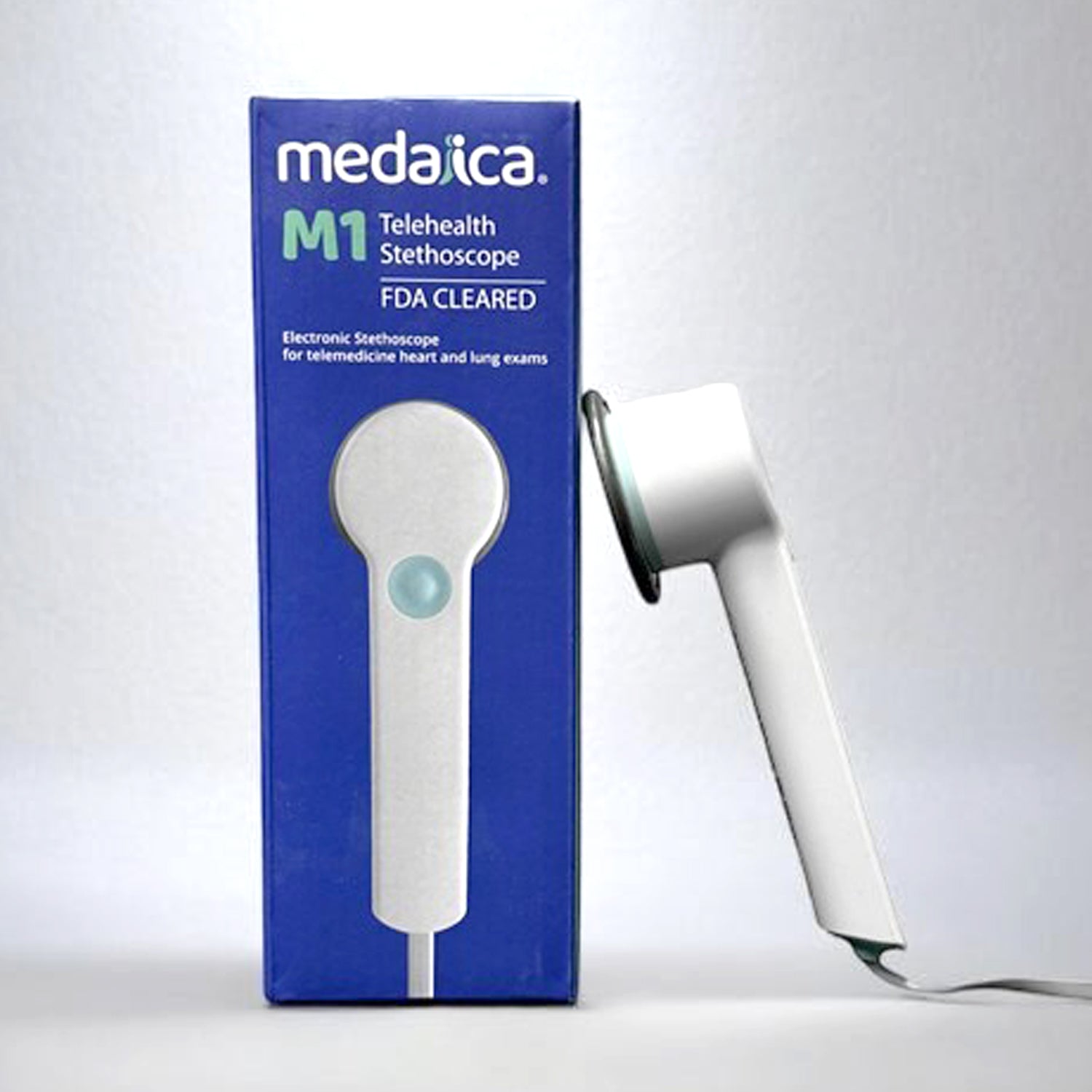
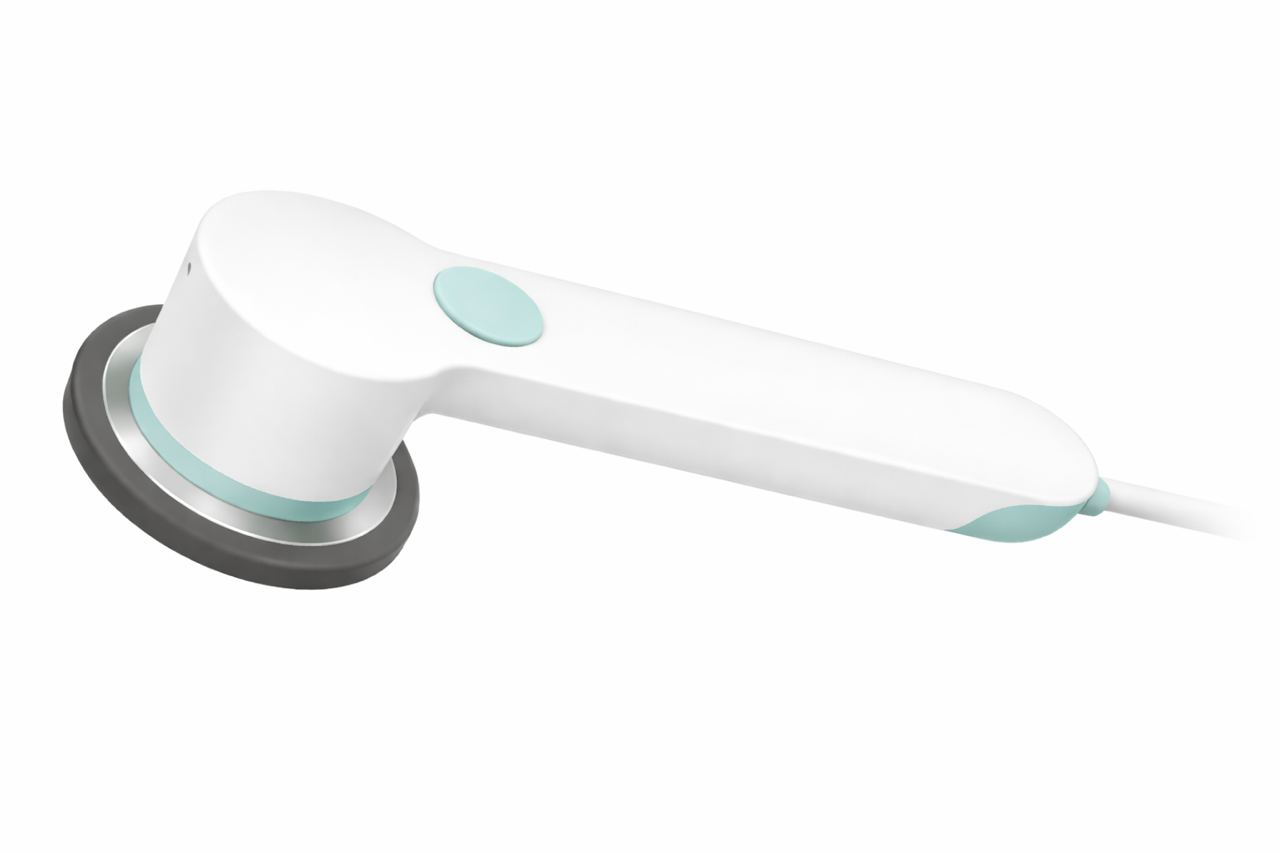
The Medaica At-Home Heart Exam combines FDA-cleared digital stethoscope technology with a guided telehealth process designed to help individuals record heart sounds from home.
The system includes:
-
FDA-cleared digital stethoscope technology
-
Guided recording instructions
-
Secure transmission of recordings
-
AI-assisted analysis support
-
Clinical review as part of the workflow
By focusing on heart sound recordings, Medaica adds a new layer of information that complements traditional at-home tools such as blood pressure monitors and ECG devices.
Rather than replacing those technologies, it helps create a more complete picture of heart health.

Looking Beyond Blood Pressure and ECG Alone
Blood pressure monitors and ECG devices have helped millions of people become more proactive about their heart health.
Now, digital stethoscope technology is expanding what can be done from home by adding access to information related to the heart's mechanical and structural function.
When combined with blood pressure and ECG monitoring, heart sound recordings can provide additional information that may support conversations with healthcare providers and help individuals stay more engaged in their cardiovascular wellness.
Conclusion
Checking your heart at home has evolved far beyond the traditional blood pressure cuff.
Today, people can monitor blood pressure, track electrical heart rhythms and record heart sounds from the comfort of home.
Each technology provides a different type of information. Together, they can offer a broader understanding of heart health than any single tool alone.
The Medaica At-Home Heart Exam brings heart sound recording into the home environment, helping individuals access another important layer of heart health information through a guided telehealth experience.
Order yours today at medaica.com
Frequently Asked Questions
What is the best way to monitor heart health at home?
Many people use a combination of tools, including blood pressure monitors, ECG devices and heart sound recording technology. Each provides different information about heart function.
What is the difference between a heart murmur and an irregular heartbeat?
A heart murmur is a sound heard during a heart examination that may be related to blood flow within the heart. An irregular heartbeat refers to changes in the heart's rhythm or electrical activity.
Can heart problems exist even if blood pressure is normal?
Yes. Blood pressure is only one measure of cardiovascular health. Other aspects of heart function may require additional evaluation by a healthcare professional.
Why do doctors listen to your heart with a stethoscope?
Stethoscopes allow clinicians to assess heart sounds that may provide information about blood flow, valve movement and the mechanical function of the heart.
What does atrial fibrillation (AFib) mean?
Atrial fibrillation is a type of irregular heart rhythm in which the upper chambers of the heart beat in an uncoordinated manner. It is one of the most common heart rhythm disorders.