


What Is Heart Valve Disease?
Heart valve disease happens when one or more of the four valves in your heart don't open or close properly. These valves act like one-way doors, making sure blood flows through your heart in the correct direction.
When a valve doesn't work as it should, your heart has to work harder to pump blood throughout your body. Over time, this extra strain can lead to more serious heart problems if left untreated.

Types of Heart Valve Disease
Heart valve disease can occur in a few different ways:
- Stenosis: The valve becomes stiff or narrowed, making it harder for blood to flow through.
- Regurgitation (Leaky Valve): The valve doesn't close completely, allowing blood to leak backward.
- Prolapse: Most commonly affecting the mitral valve, the valve's flaps become floppy and don't close tightly. In some people, this can lead to a leaky valve.
Common Symptoms
Some people have no symptoms, especially in the early stages. As the condition progresses, symptoms may include:
- Shortness of breath
- Fatigue or feeling unusually tired
- Chest pain or discomfort
- Dizziness or lightheadedness
- Swelling in the feet, ankles or legs
- Rapid, pounding or irregular heartbeat
If you notice any of these symptoms, it's important to talk with your healthcare provider.
Why Early Detection Matters
Heart valve disease often develops gradually and may not cause noticeable symptoms at first. In many cases, an abnormal heart sound called a heart murmur is one of the earliest signs that a valve may not be functioning properly.
Detecting these abnormal heart sounds early can help identify people who may benefit from additional medical evaluation before the condition becomes more serious.

How Medaica Can Help
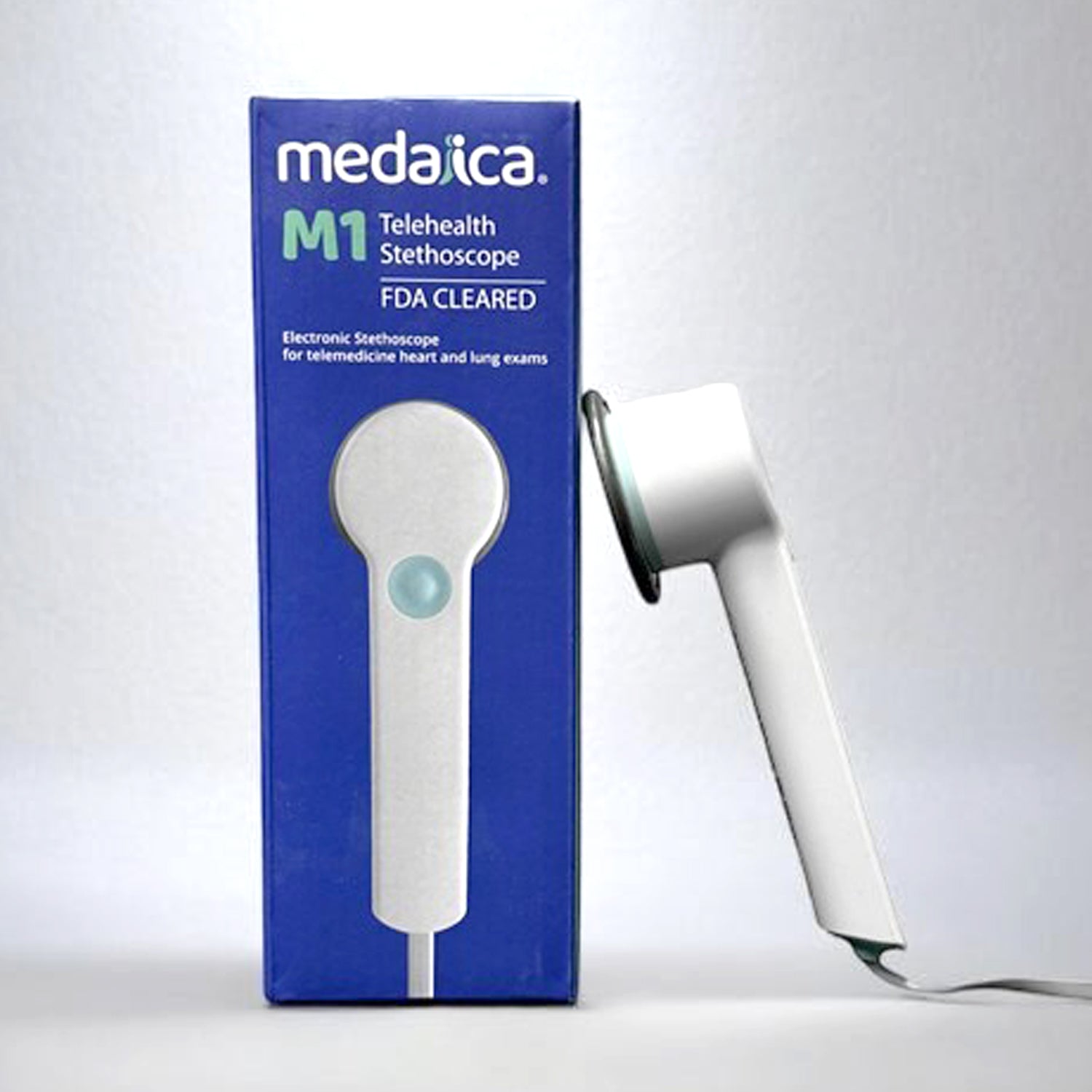
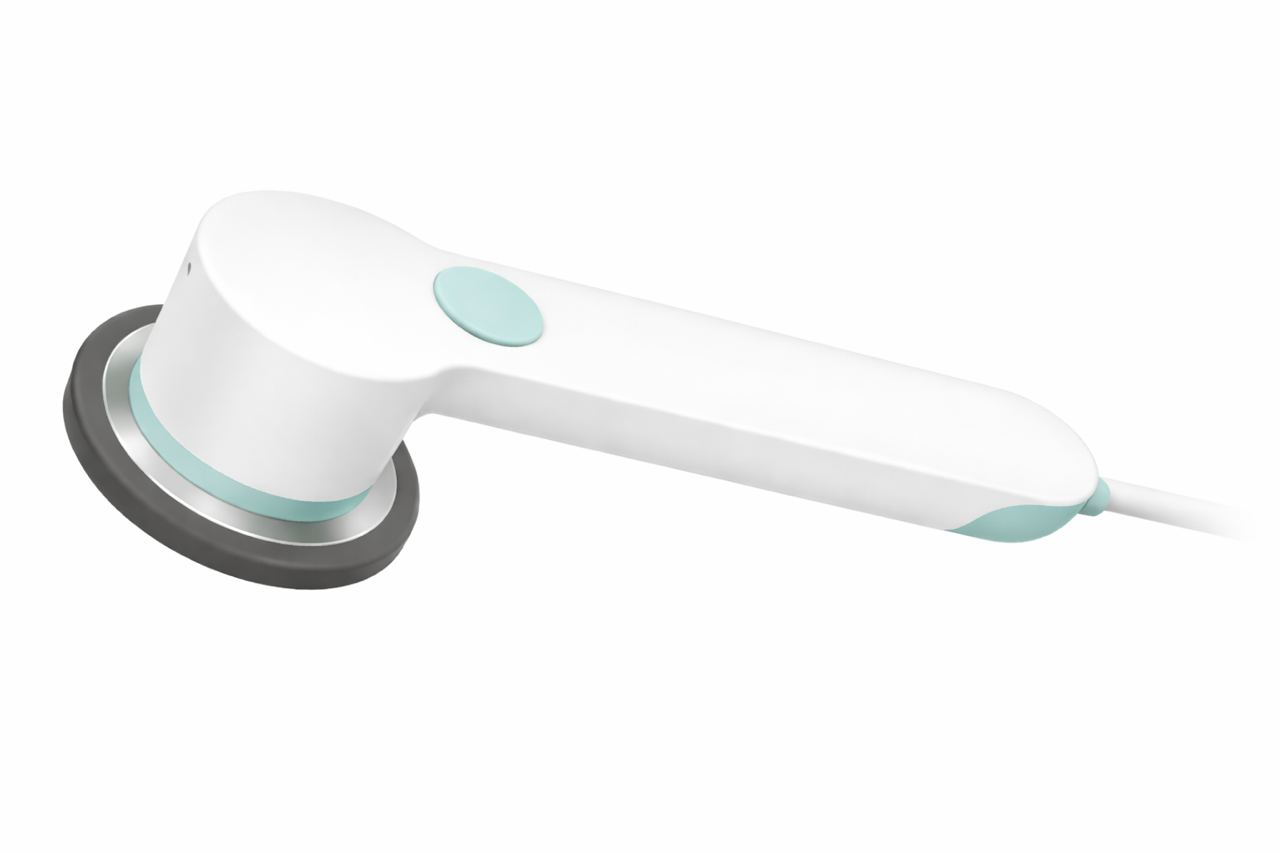
The Medaica Home Heart Exam uses an FDA-cleared digital stethoscope and a clinician-guided telehealth exam to record your heart sounds from the comfort of home. Advanced AI-assisted analysis evaluates the recorded heart sounds, and every report is reviewed by a cardiologist.
While Medaica does not diagnose heart valve disease, the exam may identify abnormal heart sounds, including murmurs that can be associated with valve problems. If abnormalities are detected, you can share your results with your healthcare provider, who may recommend additional testing such as an echocardiogram to determine the cause.
_______________________