


8 Steps to a Healthier Heart
Introduction
Taking care of your heart does not have to mean changing your entire life overnight.
Some heart disease risk factors, such as age and family history, cannot be changed. But many of the everyday habits that affect heart health are things we can do something about.
And small changes really do matter.
From moving more and eating well to knowing your blood pressure and getting enough sleep, simple habits can help support your heart for years to come.
Here are eight everyday ways to start.
Why Everyday Heart Health Habits Matter

Heart disease remains the leading cause of death in the United States. But cardiovascular health is affected by much more than one number or one medical test.
The American Heart Association identifies eight important areas of cardiovascular health: nutrition, physical activity, tobacco and nicotine exposure, sleep, weight, cholesterol, blood sugar and blood pressure.
Think of heart health as a combination of everyday habits and knowing what is happening inside your body.
You do not have to tackle everything at once.
Start with one.
1. Move Your Body More
Regular physical activity is one of the simplest ways to support your cardiovascular health.
The American Heart Association recommends that adults aim for at least 150 minutes of moderate activity or 75 minutes of vigorous activity each week.
That may sound like a lot, but you do not have to do it all at once.
A brisk walk for 10 or 15 minutes counts. So does swimming, dancing, biking, hiking, gardening or another activity that gets you moving.
If you have not been active for a while, start small and build from there.
Simple Ways to Move More
- Take a short walk after dinner
- Park a little farther away
- Walk while talking on the phone
- Take the stairs when you can
- Put activity on your daily schedule
- Choose something you actually enjoy doing
The best exercise is often the one you will keep doing.
2. Choose More Heart-Healthy Foods
A heart-healthy diet does not have to be complicated.
Instead of focusing on a long list of foods you cannot eat, start by adding more foods that support overall health.
Try including more:
- Fruits and vegetables
- Whole grains
- Beans and legumes
- Nuts and seeds
- Fish and lean proteins
- Foods naturally high in fiber
Heart-healthy eating patterns also generally limit excess sodium, added sugars and highly processed foods.
The American Heart Association recommends an overall eating pattern built around whole foods, fruits and vegetables, lean protein, nuts and seeds.
One healthier meal will not transform your heart.
But the choices you make most days can add up over time.

MOVE MORE • EAT WELL • KNOW YOUR NUMBERS • SLEEP WELL
3. Know Your Cholesterol
High cholesterol usually does not come with an obvious warning sign.
That is one reason knowing your numbers is important.
Certain types of cholesterol can contribute to plaque buildup inside the arteries, increasing cardiovascular risk over time.
A simple blood test can measure your cholesterol and help your healthcare provider determine what those numbers mean for you.
Depending on your individual health and risk factors, managing cholesterol may involve changes to food and physical activity, medication or both.
Do not wait for cholesterol to “feel” high.
You usually cannot feel it.
4. Keep an Eye on Your Blood Pressure
Blood pressure is another important number to know.
Nearly half of U.S. adults have high blood pressure, and many people may not realize they have it because it often has no obvious symptoms.
Over time, uncontrolled high blood pressure can increase the risk of heart disease and stroke.
Blood pressure can be checked:
- During a medical appointment
- At many pharmacies
- With a home blood pressure monitor
If you monitor blood pressure at home, keep track of your readings and share them with your healthcare provider.
A single reading only tells you what your blood pressure was at that moment. Watching it over time can provide a much better picture.

5. Work Toward a Healthy Weight
Healthy weight is different for everyone.
The goal is not to chase a perfect number on a scale. It is to help reduce health risks and unnecessary strain on your cardiovascular system.
Weight can be connected with other heart disease risk factors including blood pressure, cholesterol and blood sugar.
Instead of relying on extreme diets or short-term plans, focus on habits you can maintain:
- Move regularly
- Eat nutritious foods most of the time
- Get enough sleep
- Make gradual changes
- Talk with your healthcare provider about what is appropriate for you
Small, sustainable changes are usually much easier to live with than trying to change everything at once.
6. Avoid Smoking, Vaping and Nicotine
If you smoke, quitting is one of the most important changes you can make for your cardiovascular health.
Smoking damages the cardiovascular system and increases the risk of heart disease and stroke.
The American Heart Association also includes exposure to nicotine through cigarettes, e-cigarettes and vaping in its cardiovascular health recommendations.
Quitting can be difficult, and needing help does not mean you have failed.
Healthcare providers can recommend support programs, counseling, medications and nicotine-replacement options that may make quitting easier.
7. Pay Attention to Blood Sugar
Blood sugar and heart health are closely connected.
The food we eat is converted into glucose that the body uses for energy. When blood sugar remains too high over time, it can damage blood vessels and increase cardiovascular risk.
Regular health screenings can help identify elevated blood sugar or diabetes.
If you have diabetes or prediabetes, your healthcare provider can help you understand your numbers and develop a plan for managing them.
This may include nutrition, physical activity, weight management and medication.
Just like cholesterol and blood pressure, blood sugar is another important number worth knowing.
8. Make Sleep Part of Your Heart-Health Routine
Sleep is not simply downtime.
Your body uses sleep to recover, regulate important functions and prepare for the next day.
Most adults should aim for about 7 to 9 hours of sleep each night.
Poor or insufficient sleep has been associated with high blood pressure and other cardiovascular risk factors.
A few simple habits may help:
- Try to go to bed and wake up around the same time
- Keep your bedroom cool, quiet and dark
- Give yourself time to wind down before bed
- Limit screens close to bedtime
- Talk with your healthcare provider if sleep problems continue
Conditions such as sleep apnea can also affect sleep quality and cardiovascular health, so ongoing sleep problems are worth discussing with a healthcare professional.
Healthy Habits Are One Part of Understanding Your Heart
Living a heart-healthy lifestyle is important.
So is staying informed about your health.
Blood pressure, cholesterol and blood sugar can provide important information about cardiovascular risk. Other technologies can provide additional information about how the heart is functioning.
Blood pressure monitors measure pressure.
ECG devices measure the heart's electrical activity.
Digital stethoscopes capture heart sounds and information related to the heart's mechanical and structural function.
Each looks at the heart in a different way.
If you would like to learn more about the different ways people can monitor their cardiovascular health from home, read our guide: How to Check Your Heart at Home.
A New Way to Listen to Your Heart From Home

A Company With Heart for Every Heart.
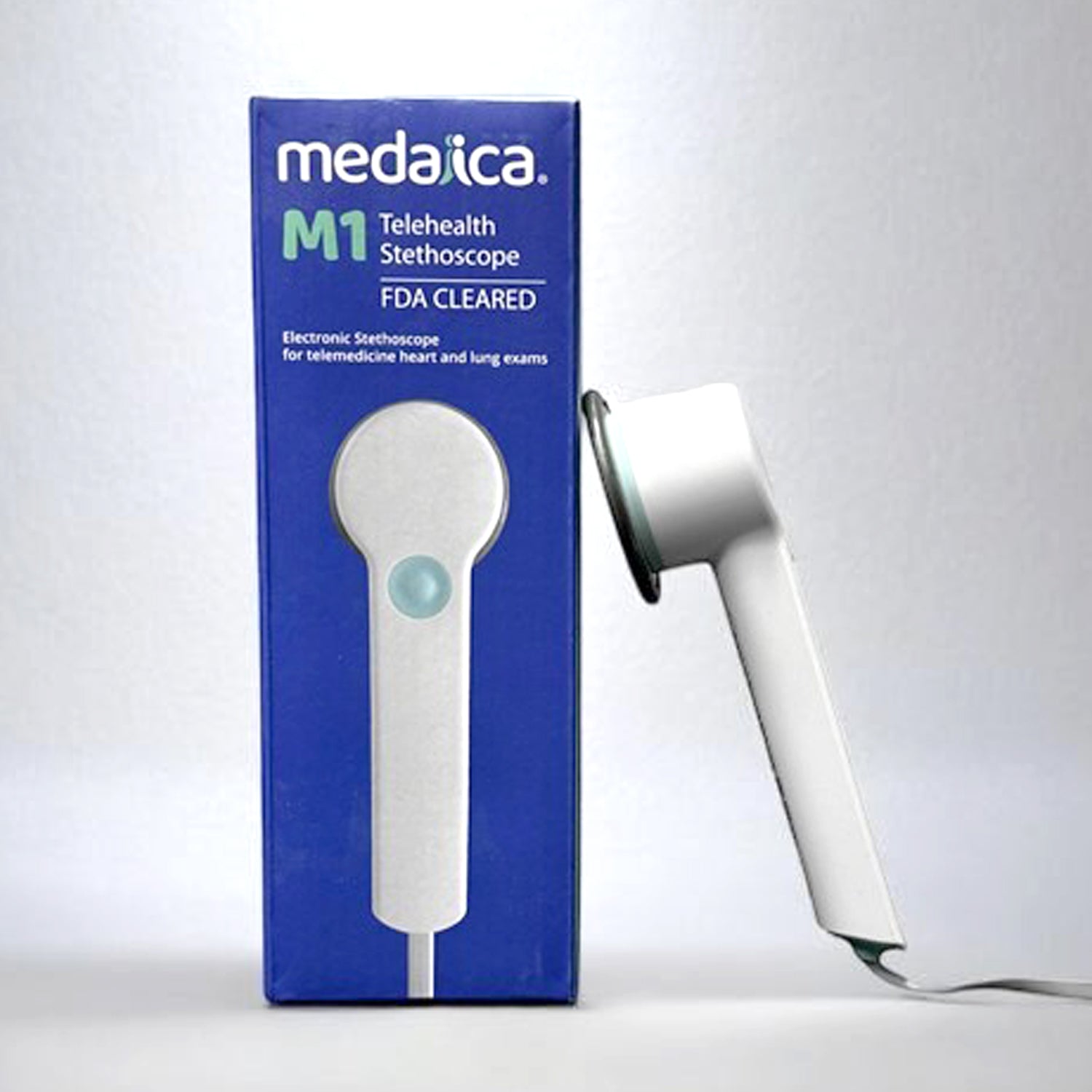
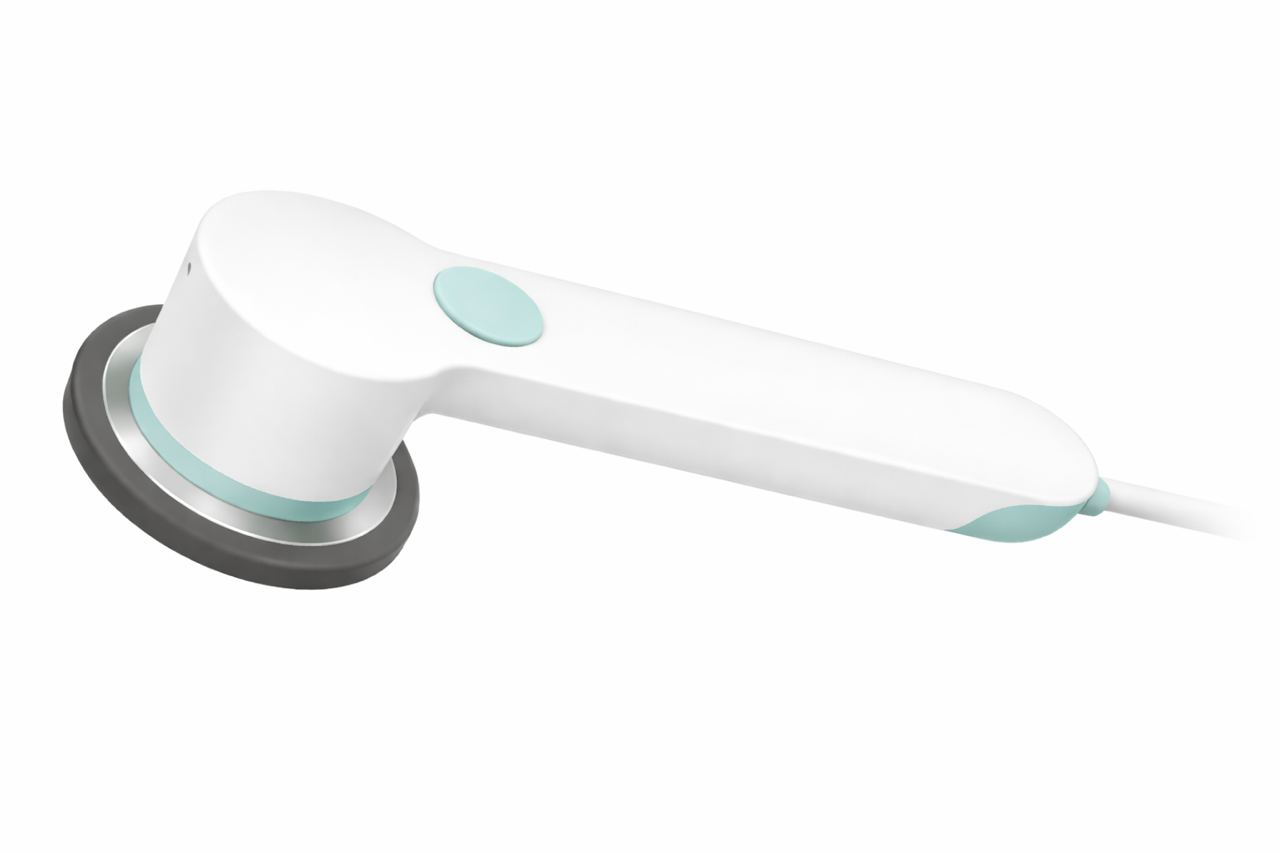
The Medaica At-Home Heart Exam combines FDA-cleared digital stethoscope technology with a guided telehealth experience designed to help people record their heart sounds from home.
The process includes:
- A Medaica M1 digital stethoscope
- A guided at-home exam
- Secure heart sound recording
- AI-assisted analysis
- Cardiologist review
- A cardiac report following the exam
Medaica does not replace your doctor, blood pressure monitoring, an ECG or routine medical care.
It adds another way to listen.
Click to learn more about the Home Heart Exam Kit:
Conclusion

A healthier heart is rarely the result of one big decision.
It is usually built from many small ones.
Take a walk. Add something healthy to dinner. Check your blood pressure. Know your cholesterol and blood sugar. Put down the cigarette. Go to bed a little earlier.
You do not have to change eight things tomorrow.
Choose one.
Then build from there.
Taking an active role in your heart health means caring for your heart today while continuing to pay attention to what it may be telling you tomorrow.
Frequently Asked Questions
What are the best ways to improve heart health?
Some of the most important ways to support heart health include regular physical activity, eating a heart-healthy diet, avoiding tobacco and nicotine, getting enough sleep, maintaining a healthy weight and managing blood pressure, cholesterol and blood sugar.
How much exercise should I get for a healthy heart?
The American Heart Association recommends that adults get at least 150 minutes of moderate-intensity activity or 75 minutes of vigorous activity each week. Activity can be divided into shorter sessions throughout the week.
What foods are good for heart health?
A heart-healthy eating pattern generally includes fruits, vegetables, whole grains, beans, nuts, seeds, fish and lean sources of protein while limiting highly processed foods, excess sodium and added sugars.
How can I check my heart health at home?
There are several ways to gather cardiovascular information at home. Blood pressure monitors measure blood pressure, personal ECG devices record electrical activity and digital stethoscopes can record heart sounds. These tools provide different types of information and do not replace routine medical care.
Can I improve my heart health after age 50 or 60?
Yes. Healthy lifestyle changes can benefit people at many ages. Becoming more active, improving nutrition, avoiding tobacco, getting adequate sleep and managing blood pressure, cholesterol and blood sugar can all support cardiovascular health.
How much sleep is recommended for heart health?
Most adults should aim for approximately 7 to 9 hours of sleep each night. Consistent, restful sleep is considered an important part of cardiovascular health.
Why is knowing your blood pressure, cholesterol and blood sugar important?
High blood pressure, unhealthy cholesterol levels and elevated blood sugar can increase cardiovascular risk and may not cause obvious symptoms. Regular screening helps you and your healthcare provider understand these risk factors and determine whether action is needed.
This article is provided for general educational purposes and is not a substitute for medical advice from your healthcare provider.