


What Is AFib (Atrial Fibrillation)?
Atrial fibrillation, often called AFib, is the most common type of irregular heartbeat. It happens when the upper chambers of your heart (the atria) receive disorganized electrical signals, causing your heart to beat fast and irregularly instead of in a steady rhythm.
When this happens, your heart can't pump blood as efficiently as it should. Blood may pool inside the heart, increasing the risk of blood clots, stroke and, over time, heart failure if left untreated.

Common Symptoms of AFib
Some people with AFib have no symptoms at all. Others may experience:
- Heart palpitations or a racing heartbeat
- Fatigue or low energy
- Shortness of breath
- Dizziness or lightheadedness
- Chest discomfort
- Fainting
If you experience chest pain, severe shortness of breath or fainting, seek emergency medical care immediately.
What Causes AFib?
AFib can develop for many reasons. Common risk factors include:
- High blood pressure
- Heart valve disease
- Coronary artery disease
- Heart failure
- Diabetes
- Obesity
- Sleep apnea
- Overactive thyroid
- Heavy alcohol use
- Getting older, especially after age 65
Why Early Detection Matters
AFib doesn't always cause noticeable symptoms, which means many people don't know they have it. Because AFib can come and go, it may be missed during a brief check with a stethoscope. That is why doctors often use an ECG/EKG, a 48-hour heart monitor, or sometimes a smartwatch alert to catch it.
Finding AFib early is important because treatment can help lower the risk of serious complications, including stroke and heart failure.
How Medaica Can Help
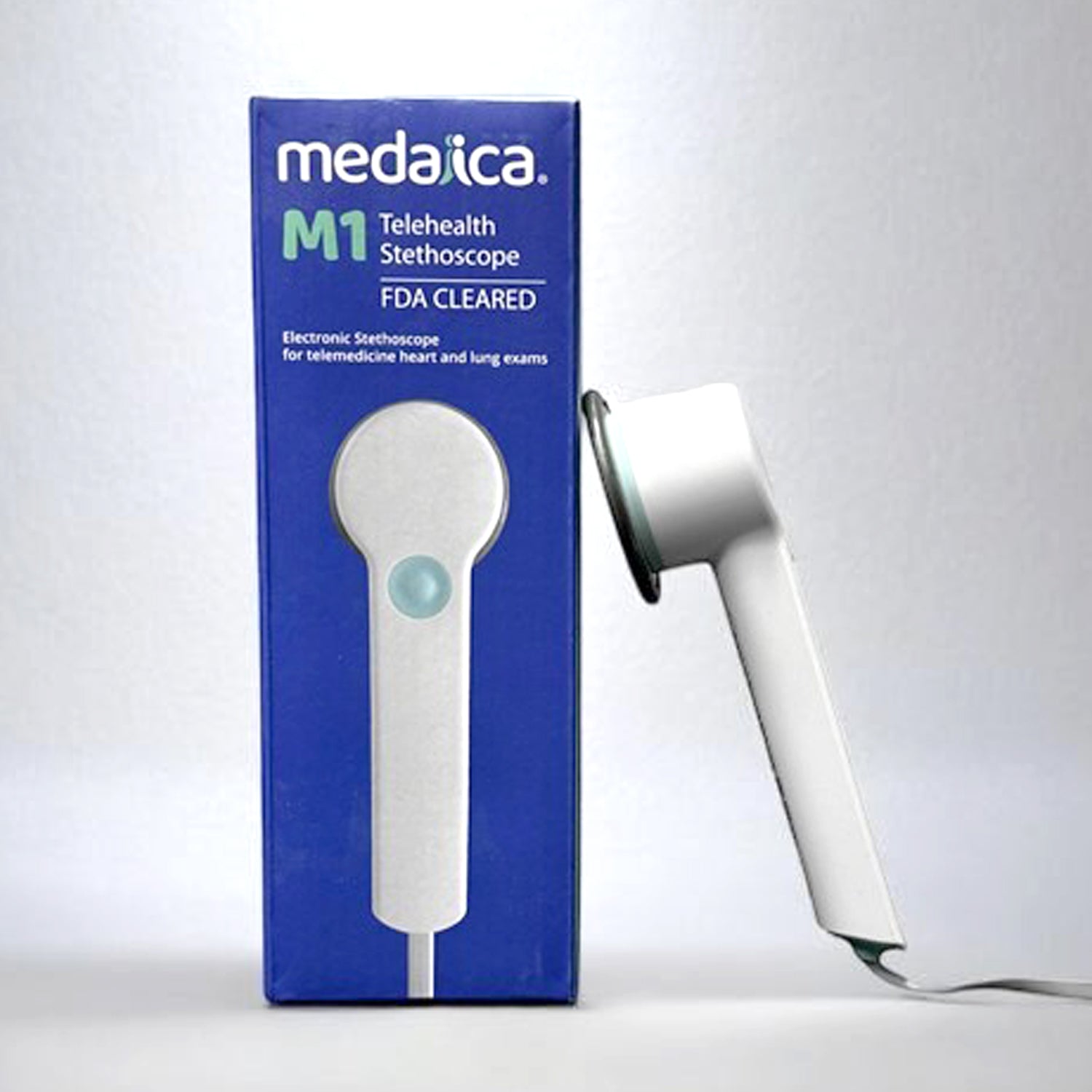
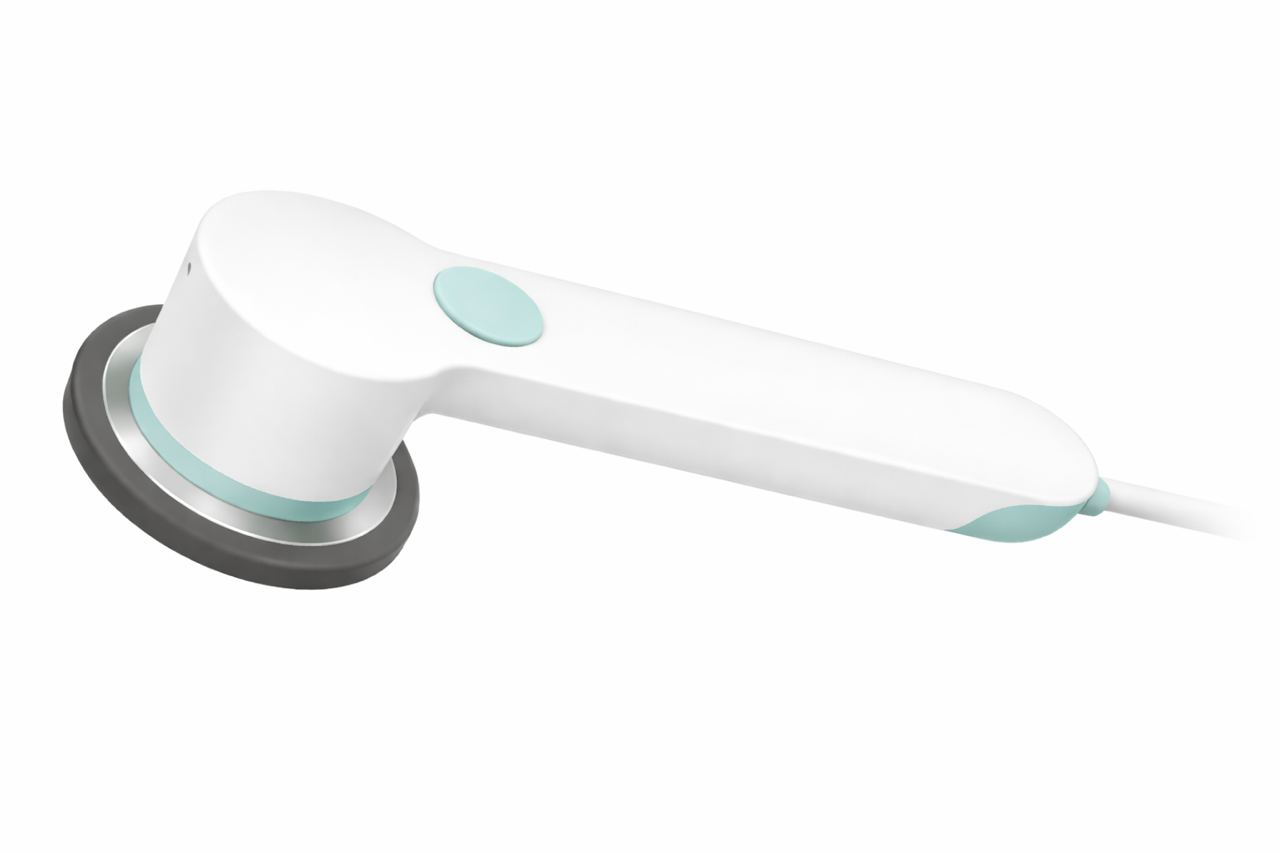
The Medaica Home Heart Exam uses an FDA-cleared digital stethoscope during a clinician-guided telehealth exam to record your heart sounds from the comfort of home. Advanced medical AI-assisted analysis evaluates your heart sounds and rhythm, and every report is reviewed by a cardiologist.
Because atrial fibrillation (AFib) can come and go, it may only be detected if an episode is occurring during your exam. If an irregular rhythm consistent with AFib is identified, your healthcare provider may recommend additional testing, such as an ECG (electrocardiogram) or a wearable heart monitor, to confirm the diagnosis.
While Medaica does not diagnose AFib, the Home Heart Exam may help identify an irregular heart rhythm that should be evaluated further by your healthcare provider.
Explore Home Heart Exam Kits.